
The Infantino Fiasco: What the FIFA World Cup Investment Scandal Means for the Future of Football’s Biggest Tournament


Real Madrid loanee scores first career hat-trick in stunning Lyon debut
Football's biggest prize just became the centre of a billion-dollar controversy. The fallout from FIFA's shelved plan to sell off a stake in the World Cup is getting messier by the week, and the latest comments from would-be lead investor Joshua Kushner have done nothing to calm the storm.
How a $4.2 Billion Idea Unravelled in Days
The plan was called FIFA Forward Enterprise, and on paper it had the kind of ambition that sounds almost reasonable. A $4.2 billion investment buying a 20% stake in a new FIFA commercial subsidiary, with the money supposedly flowing down to all 211 member associations. Funding per national association was set to more than double, from around £5.9 million to £14.7 million per cycle. For the smaller football nations of the world, that is genuinely transformative money.
Kushner's firm Thrive Eternal was lined up to lead the investor group, and talks with FIFA president Gianni Infantino had reportedly been ongoing for nearly a year before any of this became public. The moment it did become public, in July 2025, the backlash was immediate and fierce. Within days the plan was dead.
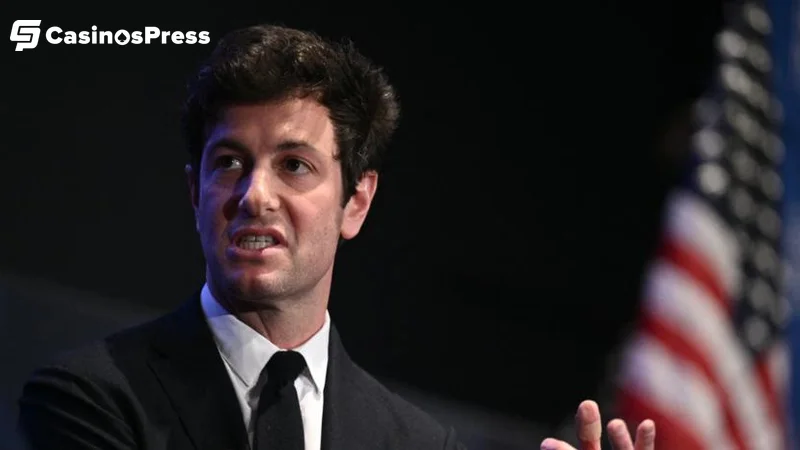
Kushner has now broken his silence, admitting he 'failed to appreciate the political dynamics of global football' and saying plainly that had he known how things would unfold, he would never have got involved. That's a significant statement from someone who just agreed a record $12.5 billion deal to buy the Los Angeles Lakers. He is not a man unfamiliar with big-money sports politics.
UEFA's Legal Push and What It's Really About
UEFA is not letting this go quietly. European football's governing body has asked a New York court to approve subpoenas for testimony and documents from Kushner, Thrive, and American financier Greg Maffei, who was a key adviser on the deal. UEFA is also considering lodging a criminal complaint against Infantino in Switzerland.
The core of UEFA's argument is that the World Cup was deliberately undervalued at around £15 billion, a figure they say was never tested by an independent valuer or through any open, competitive process. They also claim Infantino failed to properly consult FIFA's own leadership before pushing the plan forward.
This is not just a procedural complaint. UEFA is essentially accusing the head of world football of trying to quietly sell off a piece of the sport's crown jewel without the people who run the game even knowing about it. Whether or not that leads to criminal proceedings, the reputational damage to Infantino is already significant.
What This Means for the World Cup's Commercial Future
Here is the angle most people are missing in this story. The World Cup is the most watched sporting event on the planet. It generates billions in broadcast rights, sponsorship, and commercial deals every four years. The fact that serious investors were circling a valuation of £15 billion, and UEFA's lawyers think even that was too low, tells you everything about where football's biggest asset sits in the global sports market.
For years FIFA has operated as a largely opaque financial machine. The FFE scheme, whatever its stated intentions, would have introduced private equity into the heart of that machine. Once outside investors hold equity in a commercial subsidiary tied to the World Cup, the pressure to maximise returns changes every decision that gets made around the tournament, from host selection to broadcast deals to sponsorship ethics.
Kushner says the motivation was noble, directing more money to underdeveloped nations. We don't doubt there were people involved who genuinely believed that. The problem is that private equity does not do charitable distribution. It does returns on investment. Those two things were always going to come into conflict.
Our Read on Where This Ends
Infantino is under real pressure now and the calls for him to step down are not going away. UEFA has the resources and the motivation to keep pushing legally, and the involvement of US courts adds a layer of complexity that FIFA cannot simply manage through its own internal processes.
The World Cup itself is not going anywhere. The 2026 edition in North America will be the biggest yet, and the commercial machine will keep turning regardless of who is running FIFA. But this episode has exposed just how much power sits with one person at the top of that organisation, and how few checks exist on how that power gets used.
For football fans, the lesson is simple. The World Cup is worth far more than most of us realised, and the fight over who controls that value is only just beginning.
Editorial Note: Marcus Osei
Senior football writer and tactical analyst with 12+ years covering the Premier League, Champions League, and world football. Born in Accra, raised between London and Kuala Lumpur.