
WSL’s Fan Revolution: What’s Driving Growth and What Could Hold England Women Back


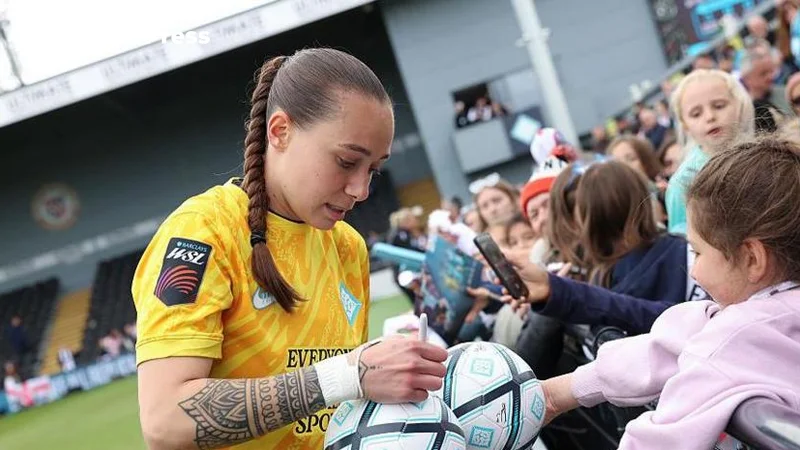
England Women's success has exploded WSL interest, but scheduling, accessibility and uneven experiences could stall the momentum. We dig into what's really going on.
England Women have never been more popular. Back-to-back European Championship wins have sent interest in the WSL soaring, and the clubs are scrambling to keep up. Some are nailing it. Others are leaving fans frustrated. We've looked hard at where the women's game stands right now with supporters, and the picture is genuinely mixed.
The Arsenal Effect and Why It's a Problem for Everyone Else
One club is doing numbers that belong in a different conversation entirely. Arsenal averaged 34,000 at Emirates Stadium last season, accounting for 41% of all WSL attendances across the entire league. Read that again. One club, 41% of all fans through the turnstiles.
That is a stunning success story for Arsenal. It is also a flashing warning light for the WSL as a whole. When one club so completely dominates the attendance landscape, it tells you the league has a distribution problem. The gap between Arsenal and Chelsea, the next best, was nearly four times in average crowd size. That is not healthy competition for a league trying to build broad, sustainable support.
The league needs more than one massive draw. It needs ten.
What the Women's Game Is Getting Right
Credit where it is due. The matchday experience at WSL clubs is genuinely different from the men's game, and fans notice it. The atmosphere is more welcoming, the connection between players and supporters feels real, and clubs are actively working to create events around the match rather than just the 90 minutes.
London City Lionesses, despite averaging just under 3,000 fans in their debut top-flight season, won the Best Fan Engagement prize at the Women's Football Awards. They brought in food variety, fan interaction moments and created an environment where turning up feels like an occasion. That mindset, building a reason to come beyond just the result, is exactly what the game needs more of.
The alcohol-in-stands pilot has also been a genuine win. Seventy percent of supporters now back it, and the feedback is clear: people behave better when they are not rushing to sink a pint in the concourse before kick-off. It is common sense policy, and it improves the atmosphere inside grounds.
The demographic profile of WSL fans is also something the league should shout about more. Almost half of its 28.5 million global fans are aged 18 to 34, split evenly between men and women. That is the sweet spot every sport wants to own right now. The men's game has been chasing younger fans for years. The women's game already has them.
The Scheduling Mess and Accessibility Failures
Here is where things fall apart. The WSL shifted away from Sunday evening kick-offs toward noon starts in 2025-26, and fans hated it almost immediately. For away supporters, noon on a Sunday means leaving before dawn or paying for a hotel the night before. It is a barrier, plain and simple.
Worse, noon on a Sunday clashes directly with grassroots football. The very kids the game is trying to inspire, the next generation of fans and players, are out on pitches across the country at exactly the time they are expected to be watching WSL. That is a scheduling own goal of considerable scale.
Accessibility is another area that is falling short. While big venues like Emirates Stadium and Goodison Park are well equipped, smaller grounds are leaving disabled supporters to figure things out for themselves. One supporter's experience trying to attend a Tottenham away fixture is a perfect example. No clear parking information, a wheelchair area separated from the away section, and a process that put the burden entirely on the fan to chase answers. That is not good enough for any level of professional football.
The standard cannot be that disabled fans have to email clubs and wait, only to be told nothing is available. Clubs need to be proactive, not reactive.
England Women's World Cup Push and What It Means for the Clubs
England Women are the engine driving all of this. Sarina Wiegman's side winning two Euros in a row has changed the conversation about women's football in this country in a way nothing else could have. Chloe Kelly's penalty in the Euro 2025 final was the kind of moment that creates lifelong fans.
Next summer's World Cup in Brazil is the next opportunity. England still need to come through two play-off rounds to qualify, which adds jeopardy. If they get there and perform, the commercial and cultural wave that follows will be enormous for the WSL clubs trying to grow their fanbases.
But here is our honest read of the situation. The league cannot keep leaning on the national team to do its marketing for it. England Women fire up interest, but the clubs have to convert that interest into loyal, returning supporters. Right now, too many are getting the fan experience wrong at the basics: scheduling, accessibility and communication.
Sort those out, and the WSL is genuinely on course for something special. Leave them unaddressed, and the momentum that England Women have created risks being wasted at club level.
Editorial Note: Marcus Osei
Senior football writer and tactical analyst with 12+ years covering the Premier League, Champions League, and world football. Born in Accra, raised between London and Kuala Lumpur.