
Cameroon’s Wafcon Win and What It Means for African Women’s Football Betting


Real Madrid loanee scores first career hat-trick in stunning Lyon debut
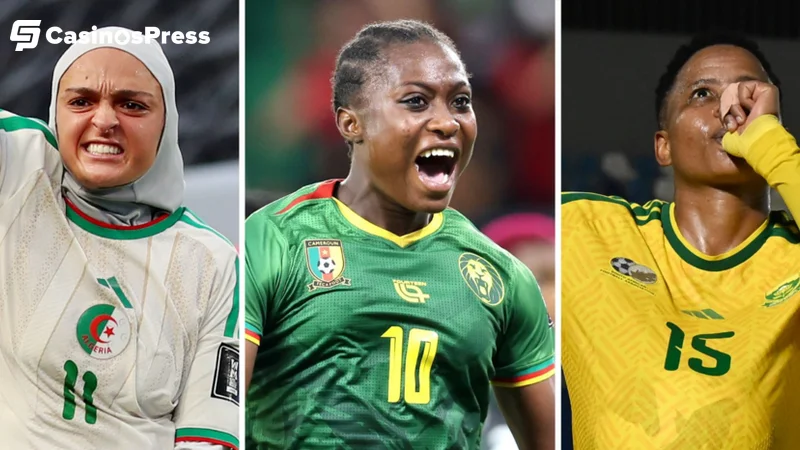
Cameroon lifted the Women's Africa Cup of Nations trophy in Morocco and, from a betting perspective, the 2026 tournament was one of the most revealing editions we've seen in years. Three weeks of competition threw up surprises, upsets and a brand new champion. If you're interested in Africa sport markets going forward, there's plenty to take note of from what unfolded in Rabat and Casablanca.
Cameroon Were the Best Value Story of the Tournament
Let's start with the obvious one. Cameroon didn't even qualify through the traditional route. They were eliminated by Algeria in the qualifiers and only made it into the tournament because Caf expanded the field to 16 teams, with the Indomitable Lionesses advancing on world ranking. Any punter who had them at the long odds they would have started at deserves serious credit.
Valentine Nguele only took over as head coach in June. The technical team described building the squad from scratch in the space of two months, working around the clock. None of the usual markers that bettors use to assess favourites applied here, which is exactly why Cameroon represent the kind of story that reshapes how we assess Africa sport tournaments going forward. Outsiders with recent instability can still win when the squad quality is there.
In the final, they were clinical. A 3-0 demolition of Malawi wasn't a flattering scoreline. It was a fair reflection of a team that looked organised, dangerous and composed under pressure.
Malawi and the Chawinga Factor Broke the Market Wide Open
If Cameroon were the value pick, Malawi were the chaos pick. Ranked 153rd in the world heading into the tournament, nobody gave them a realistic shot at going deep. They beat Nigeria 3-2 in their opening game and didn't stop there, seeing off Ghana and Algeria to reach the final.
The Chawinga sisters were at the heart of everything. When individual players of that calibre exist in a squad, they can drag a side far beyond what the rankings suggest. This is a betting lesson worth learning. In expanded tournaments with weaker group stages, elite individual attackers in lower-ranked sides can carry teams into knockout rounds.
Malawi's world ranking will climb sharply after this, meaning they'll be harder to back at big prices next time. The window to get on underdogs like them closes quickly once results like this hit the books.
Nigeria's Collapse Changes Every Future Market They're In
For years, Nigeria were the automatic short-priced favourites in any African women's tournament. Ten Wafcon titles and a dominant continental record made the Super Falcons a near-automatic selection in accumulators and outright winner markets.
That changes now. Nigeria came into this tournament targeting a record 11th title. They went home having been knocked out by Cameroon in the quarter-finals, then lost a World Cup play-off to South Africa 2-1. For the first time ever, Nigeria will not be at the Women's World Cup.
The structural issues run deep. Their reliance on foreign-based talent has papered over the cracks for years but the institutional framework underneath hasn't kept pace. With Morocco investing heavily in their programme and teams like Cameroon, Algeria and Malawi making real strides, Nigeria's era of near-automatic dominance is finished. We'd be cautious about backing them at short prices in any Africa sport competition until there's evidence of genuine structural reform.
Goal Totals Went Up, and That Matters for Betting Markets
The 2026 tournament averaged 2.81 goals per game across 32 matches, up from 2.54 in the previous edition. That's not a massive jump but it's a meaningful one, and it reflects a genuinely more competitive and open tournament.
There were real upsets, closer games and more attacking football overall. Tanzania upset South Africa despite sitting 65 places below them in the world rankings. South Africa needed a 99th-minute equaliser to avoid losing to Ivory Coast in the group stage. These weren't fluky results. The gap between the top nations and the rest is narrowing, which makes goal markets and result markets harder to predict but also more rewarding when you read them correctly.
For the 2028 edition and the upcoming Women's World Cup qualifiers, we'd lean towards backing over markets in games involving the continent's mid-tier sides. The football is more open than it used to be.
Our Read on African Women's Football Going Forward
The 2026 Wafcon told us three things clearly. First, the expanded format creates more opportunity for upsets, which means outright markets will be harder to predict and better value for punters willing to take risks on longer shots. Second, Nigeria can no longer be treated as a default favourite. Third, individual quality in African women's football is rising fast, and the Chawinga sisters proved that star power in smaller nations is a genuine market factor worth tracking.
The next major marker is the Women's World Cup in 2027, where Cameroon, Morocco, Malawi and Algeria will all make appearances from this continent. Watching how they develop between now and then will be key to making smart calls when those outright markets open.
Editorial Note: Marcus Osei
Senior football writer and tactical analyst with 12+ years covering the Premier League, Champions League, and world football. Born in Accra, raised between London and Kuala Lumpur.