
Premier League’s Referee Transparency Push Could Change How We Bet on Controversial Decisions


Real Madrid loanee scores first career hat-trick in stunning Lyon debut
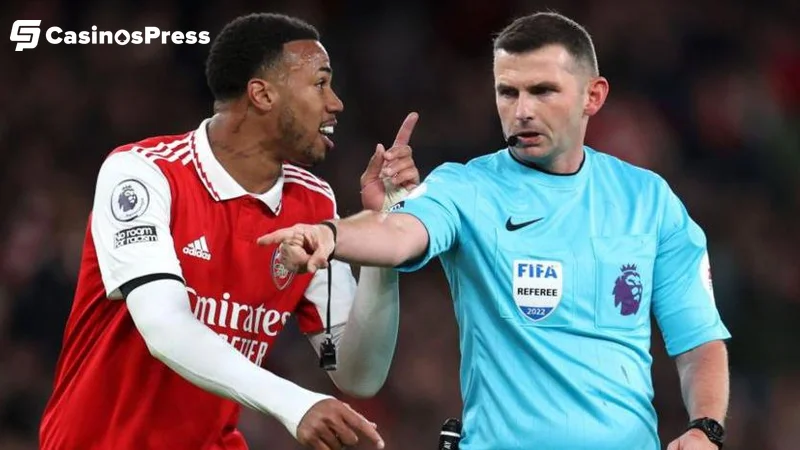
The Premier League is finally opening the curtain on how referee and VAR decisions get made. Full panel verdicts, direct quotes from officials, and referee audio are all coming this season. For fans, it's long overdue. For bettors, it could be genuinely useful.
What's Actually Changing This Season
The Key Match Incidents Panel has been meeting every week since 2022, quietly assessing every major decision from penalties to red cards. Until now, those full judgements stayed private, though clubs had a habit of leaking whatever suited them. That changes this season. The Premier League is publishing the complete verdicts, along with direct quotes from referees and VAR operators explaining their real-time thinking.
RefCam audio is also being expanded. You won't hear the ref talking to the VAR room, but you will get snippets of what's being said on the pitch to players. That's a genuine first, and it adds a layer of insight that serious football viewers have wanted for years.
The one big limitation is still Ifab's refusal to allow live VAR conversations to be broadcast. The Premier League is pushing for that to change, but for now the live VAR audio remains off limits. It's progress, not perfection.
Why the Error Numbers Actually Matter
Here's the stat worth sitting with. Last season saw 25 VAR errors identified by the panel, which sounds bad until you compare it to 38 errors in 2022-23. The trend is improving, but 25 mistakes across a Premier League season is still a meaningful number, and those mistakes have consequences.
For bettors, this matters more than people realise. A wrongly disallowed goal, a missed red card, a penalty that should never have been given. Each of those outcomes can flip the result of a match, and with it, a betting slip. We've all had accumulators wrecked by a decision that later turned out to be officially classified as an error. Knowing exactly which decisions the panel flagged as wrong, and why, gives us a richer picture of how results are shaped by officiating.
It won't change how odds are set overnight. Bookmakers aren't going to start pricing in referee error rates per se. But for informed bettors building a view of which matches tend to generate controversy, which teams benefit most from marginal calls, and how consistently officials apply the laws in certain stadiums, this data is valuable context.
The Panel Itself Is Worth Understanding
The KMI Panel isn't just a group of fans watching replays and arguing. It's five people, three former players and coaches plus one rep each from the Premier League and Pro Ref, assessing decisions against the laws of the game and the Premier League's own standards for how matches should be refereed. That framing matters.
The panel often finds the referee wrong but the VAR correct, because VAR is working to a higher bar of 'clear and obvious error'. So a penalty that looks like a bad call might still pass the VAR test by design. Understanding that distinction is important when you're trying to make sense of why certain decisions stand and others don't. The Premier League's transparency drive should help supporters get their head around that gap between what looks wrong and what's actually classified as an error.
The panel's verdicts also feed into referee pay at the end of the season. That's a detail that often gets buried, but it tells you the assessments are taken seriously internally, not just for public relations.
Our Take on What This Changes for Bettors
In our view, the Premier League's transparency measures won't transform betting markets in any dramatic way this season. Odds compilers are sophisticated, and they've always factored in the chaos of officiating decisions in how they structure margins. What this shift does is give the knowledgeable bettor better tools to build a narrative around matches.
If we can see, in black and white, that a particular team has benefited from three incorrectly awarded penalties in the last six weeks, that's context worth having when assessing whether a penalty market looks value in their next home game. If a referee known to generate a high incident rate is appointed to a feisty fixture, the published panel data gives us a more informed basis to consider cards markets or VAR intervention plays.
The Premier League transparency drive is primarily about rebuilding trust with fans. But sharper bettors should be paying attention too. Information is always an edge, and there's now more of it on the table.
Editorial Note: Marcus Osei
Senior football writer and tactical analyst with 12+ years covering the Premier League, Champions League, and world football. Born in Accra, raised between London and Kuala Lumpur.