
The Lamour Sacking Is a Warning Shot From Infantino That Nobody Inside Fifa Can Afford to Ignore


Real Madrid loanee scores first career hat-trick in stunning Lyon debut
Fifa just fired one of its most senior executives for speaking the truth. Let that sink in.
Kevin Lamour, Fifa's chief operating officer, has been dismissed after publicly stating that the organisation's administration had been 'deceived' by president Gianni Infantino over a controversial plan to sell stakes in Fifa competitions to private investors. The plan collapsed on 1 August, one day after Lamour's statement went public. And now Lamour is gone.
This isn't just a football story. It's a story about power, silence, and what happens when someone refuses to keep quiet.
The Deal That Blew Up in Infantino's Face
The Fifa Forward Enterprise proposal was always murky. A plan to bring private investment into football competitions, negotiated without the kind of transparency the sport's major stakeholders expect. Lamour called it 'the project of one person'. That one person, clearly, was Infantino.
Senior adviser Carlos Cordeiro had already walked out the door before Lamour's dismissal, resigning on the same day the plan was abandoned. Infantino then gathered support from senior Fifa executives at a meeting in Morocco, a meeting Lamour wasn't even invited to. Within weeks, Lamour's career at Fifa was over.
Uefa had already made its position clear before this, describing the proposal as a 'shabby, back room, opaque deal' and publicly stating it had lost confidence in Infantino. An open letter followed, signed alongside the Asian Football Confederation and Concacaf, accusing Fifa of breaking trust 'through deception'. The Football Associations of England, Wales, Scotland and the Republic of Ireland have since withdrawn their support for Infantino ahead of his 2027 re-election bid.
The opposition is serious. The response from Infantino's camp has been to remove the man who started the fire.
What Laura McAllister's Statement Actually Tells Us
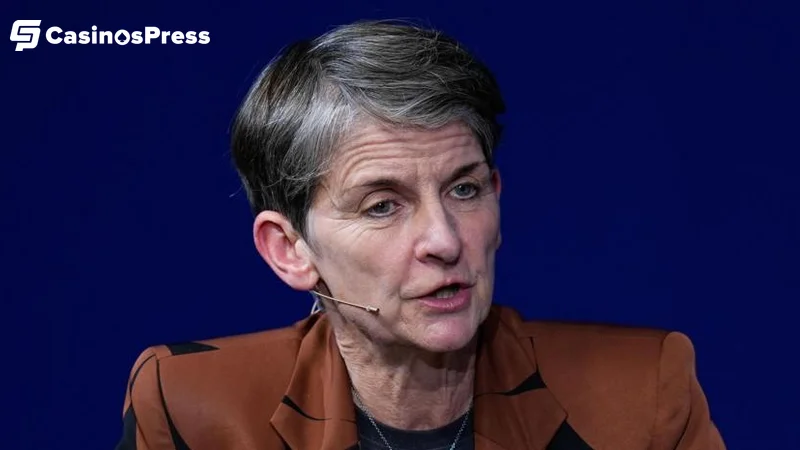
Uefa vice-president Laura McAllister knows Lamour personally. She worked alongside him when he was deputy general secretary at Uefa, and her statement defending him is one of the sharpest pieces of football governance commentary we've seen from a senior figure in years.
She doesn't mince her words. She calls the events of the past weeks 'shabby'. She says Lamour's sacking 'seriously weakens Fifa's administration'. And she lands on the central point cleanly: 'Fifa is not the president, it is the whole football family.'
That line matters. Because everything Infantino has done in recent years, from staging a bloated 48-team World Cup to pursuing this private investment scheme, suggests he sees it the other way around.
McAllister's statement isn't just a tribute to a former colleague. It's a direct challenge to how Infantino runs world football. And coming from a Uefa executive committee member, it carries real institutional weight.
The 2027 Vote and Why This Gets Messier Before It Gets Cleaner
This is where things get genuinely significant for football as a whole. Infantino is up for re-election as Fifa president in early 2027, and while losing the British and Irish associations hurts symbolically, he still commands strong backing from confederations across Africa and Asia where his development funding carries enormous influence.
The sacking of Lamour could actually harden those divisions. Reformists within football, and there are more of them than Infantino would like, now have a very clear martyr figure to rally behind. Lamour spoke up. Lamour got fired. That's a simple and powerful story.
For anyone who believes football governance needs to change, this moment is a line in the sand. The question is whether the confederations currently backing Infantino care enough about governance principles to shift their position, or whether the money keeps talking louder than everything else.
Our read is that Infantino survives the 2027 vote. He almost certainly has the numbers. But his grip on the moral authority of the role is slipping fast, and the institutions that matter most in European football are now openly hostile to him.
Lamour's sacking wasn't just a personnel decision. It was a message. And the message, as McAllister put it, is deeply troubling for anyone who thinks football deserves better than this.
Editorial Note: Marcus Osei
Senior football writer and tactical analyst with 12+ years covering the Premier League, Champions League, and world football. Born in Accra, raised between London and Kuala Lumpur.