
Boycott Calls, Delayed Press Conferences and a Squad in Turmoil: What’s Really Going On With Ireland vs Israel


Real Madrid loanee scores first career hat-trick in stunning Lyon debut
Something is clearly wrong inside the Republic of Ireland camp, and it goes well beyond a delayed press conference.
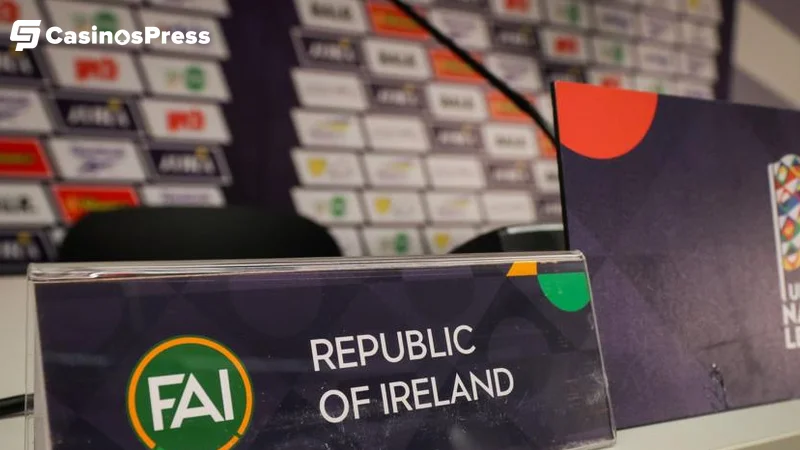
Sunday's UEFA Nations League fixture against Israel in Debrecen, Hungary, was already one of the most politically charged games in recent Irish football history. Now, with training postponed, the pre-match press conference moved to the team hotel, and reports of at least one player looking to withdraw from the squad, this has tipped from controversy into outright turmoil.
A Camp That Doesn't Want to Talk
Press conferences get delayed. Training sessions get tweaked. But when both are postponed with no explanation and no new timing given, that tells you everything you need to know about the mood inside Heimir Hallgrimsson's squad right now.
The players reportedly held an internal meeting on Friday to air their feelings about the fixture. A statement was expected at Saturday's media session. Instead, there was silence, a UEFA official shuffling awkwardly between rooms, and a growing sense that nobody inside that camp is comfortable with what's about to happen.
We don't know exactly who is threatening to withdraw. But the fact that it's being reported at all, on the eve of the game, suggests this isn't just one disgruntled squad member. There's a real tension here between players who feel strongly about the political context and a football machine that has to put eleven men on a pitch.
The 'Stop The Game' Campaign and Who's Backing It
The pressure on R. of Ireland Men hasn't come from nowhere. Irish Sport for Palestine's 'Stop The Game' campaign has been building momentum for weeks, and it has attracted some credible voices.
Brian Kerr, one of the most respected figures in Irish football, has backed the boycott calls. So has James McClean, a man who has never shied away from taking a political stance throughout his career. These aren't fringe voices. When ex-managers and former internationals are publicly telling the squad not to play, that message lands in the dressing room whether the federation wants it to or not.
At the same time, there are Irish supporters who simply want football to be played. They're not indifferent to the humanitarian crisis in Gaza, but they believe sport and politics should remain separate. That debate isn't going away, and it's creating a split that runs right through the fanbase.
What This Means on the Pitch
Let's be honest. Even if every player takes to the field on Sunday evening, R. of Ireland Men are not going into this game in ideal preparation. A squad that's been debating whether to even show up is not a squad focused on pressing, shape, and set pieces.
Israel, for their part, have been playing in neutral venues throughout this conflict and are used to this kind of atmosphere around their games. That's not an advantage exactly, but it's experience that Ireland simply don't have in this specific type of fixture.
Debrecen is a neutral venue with no home crowd roar for either side. The game kicks off at 19:45 BST. In theory, the football should decide it. In practice, we're not convinced Ireland's heads will be fully in it from minute one.
From a betting perspective, backing Israel to at least avoid defeat at this stage looks reasonable. A draw or an Israeli win wouldn't shock us given the circumstances Ireland are walking into this match with.
Our Read on This Whole Situation
This is bigger than one football match. What's happening around this R. of Ireland Men fixture reflects a genuine moral dilemma that UEFA has so far refused to engage with seriously. Putting two countries in a group together when one is actively involved in a military conflict of this scale was always going to create flashpoints.
The federation has boxed the players into a corner. Play and face public criticism. Don't play and face sporting sanctions. There's no clean exit, which is exactly why the press conference keeps getting pushed back and nobody wants to stand in front of a microphone.
Whatever happens on Sunday evening, this fixture has already done damage, to squad morale, to preparations, and to the image of international football as something separate from world events. The football might still be played, but the wounds from this week will take a lot longer to heal.
Editorial Note: Marcus Osei
Senior football writer and tactical analyst with 12+ years covering the Premier League, Champions League, and world football. Born in Accra, raised between London and Kuala Lumpur.