
Celtic and Rangers Fight Back Against Closed Doors Sanctions — But Is Scottish Football the Real Loser?


Real Madrid loanee scores first career hat-trick in stunning Lyon debut
The Old Firm doesn't do anything quietly. When Celtic and Rangers appealed their Scottish FA sanctions this week, it reignited a debate that goes well beyond two clubs fighting a fine. This is about what kind of precedent Scottish football sets for itself, and whether the governing body has the spine to make it stick.
What Actually Happened at Ibrox in March
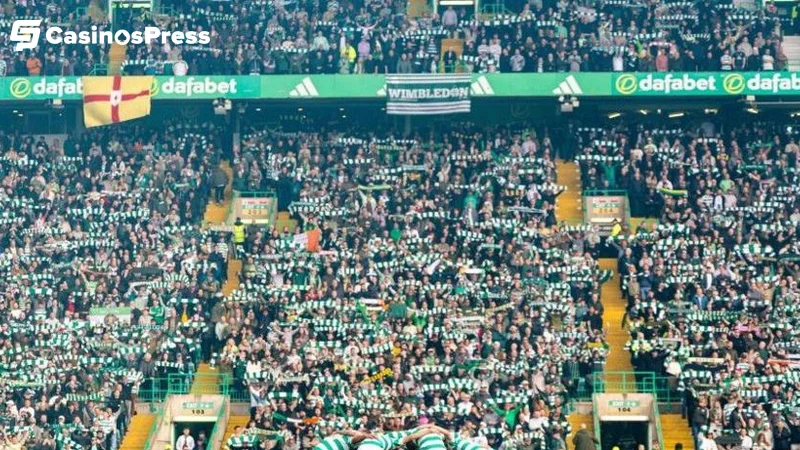
The facts are not pretty. Following Celtic's penalty shootout victory in the Scottish Cup quarter-final at Ibrox, supporters from both sides spilled onto the pitch. Police Scotland made 43 arrests. Officers and stewards were injured. Objects were thrown. Pyrotechnics were launched into crowds. An independent review concluded that a crushing incident was a real and foreseeable risk, driven by Ultra group fans surging past those trying to maintain order.
That is not a 'moment of emotion.' That is a dangerous breakdown of crowd safety. So when Celtic publicly described the sanctions as a 'disproportionate punishment for a relatively small incursion,' we'd push back on that framing pretty hard.
The Appeals and What Both Clubs Are Actually Arguing
Celtic and Rangers have both appealed the Scottish FA ruling that forces them to play their next home Scottish Cup ties behind closed doors. Both clubs were also fined £100,000. Celtic's public statement leaned on two main arguments: that they weren't the home club responsible for stadium safety, and that the context of celebrating a shootout win should have been considered.
Rangers said less publicly, only confirming they would review the outcome before deciding their next step. Their appeal is arguably more complicated given that Ibrox was the host venue, which puts the stadium safety responsibility squarely on their shoulders.
The appeal hearings are set for 26 October. Whatever the outcome, neither club has much moral high ground here. Both admitted to the original SFA charges. Appealing the punishment while accepting the charge is a legal right, but it tells you where the clubs' priorities sit.
What This Means for Scottish Football Betting Markets
Here's where things get genuinely relevant for anyone following Scottish football from a betting perspective. If the appeals fail and the closed doors sanctions hold, the impact on Scottish Cup home advantage becomes significant. Both Celtic and Rangers benefit enormously from their home atmospheres, and stripping that out changes the dynamic of any tie they host.
Closed doors football historically compresses results. Home advantage narrows, big favourites win by smaller margins, and underdogs cover the spread more often. If either club ends up playing a Scottish Cup home tie without supporters, we'd be very cautious about backing them at standard odds. The market tends to underprice the psychological shift when elite clubs lose their crowd.
There's also the broader context of this season's agreement to ban away fans from all Old Firm fixtures across SPFL competitions. Scottish football is already operating in a tense atmosphere, and any further crowd incidents between now and the appeal date could trigger the second sanction the SFA has warned both clubs about.
Our Take on Who Comes Out of This Worse
The honest answer is that Scottish football loses either way. If the sanctions are overturned on appeal, the message sent to every supporter group in the country is that kicking off on a pitch carries consequences that can be appealed away. If the sanctions hold, two of the biggest clubs in Britain play cup ties in empty stadiums, which damages the product, the atmosphere, and the revenue streams of Scottish football at the exact moment the game needs to look attractive.
We'd expect the SFA to hold firm here. The independent review was damning, the charges were admitted, and backing down now would hollow out whatever authority the governing body has left. Celtic's argument about not being the home club is legally interesting but morally thin, given their supporters were central to the disorder.
For anyone with skin in the game on Scottish football markets this season, watch the appeal outcome closely. Closed doors sanctions on either club in the Scottish Cup would be a meaningful variable worth factoring into your betting decisions.
Editorial Note: Marcus Osei
Senior football writer and tactical analyst with 12+ years covering the Premier League, Champions League, and world football. Born in Accra, raised between London and Kuala Lumpur.