
Celtic’s Champions League Collapse: What It Costs, Who’s to Blame, and Whether O’Neill Can Survive It


Real Madrid loanee scores first career hat-trick in stunning Lyon debut
Celtic blew a 3-0 aggregate lead and somehow lost to LASK. Six attempts to reach the Champions League in eight years. Six failures. This one might be the worst.
How Do You Throw Away a Three-Goal Lead
Celtic went to Linz leading 3-0 from the first leg and even scored early in Austria. At that point, they were three quarters of the way through the tie and still three goals clear. What followed was one of the most embarrassing European collapses a Scottish club has ever produced.
Wave after wave of LASK pressure. Errors from Nygren, Trusty and McCowan. A midfield that simply stopped competing. By the 90th minute, the tie was level at 4-4 on aggregate and LASK's fifth goal, the winner, felt like it had been coming for most of the second half.
Captain Callum McGregor admitted Celtic looked 'scared' and were 'passive'. That's a damning verdict from the skipper, but it's hard to argue with. Celtic's defence at full-time included a right-back who wasn't the first or second choice, a centre-back who hadn't trained because of illness, an untested academy kid, and a left-back out of position. That's not a backline built to hold a lead in Europe. That's a patchwork job and it was exposed badly.
The Squad Depth Problem Nobody Wants to Admit
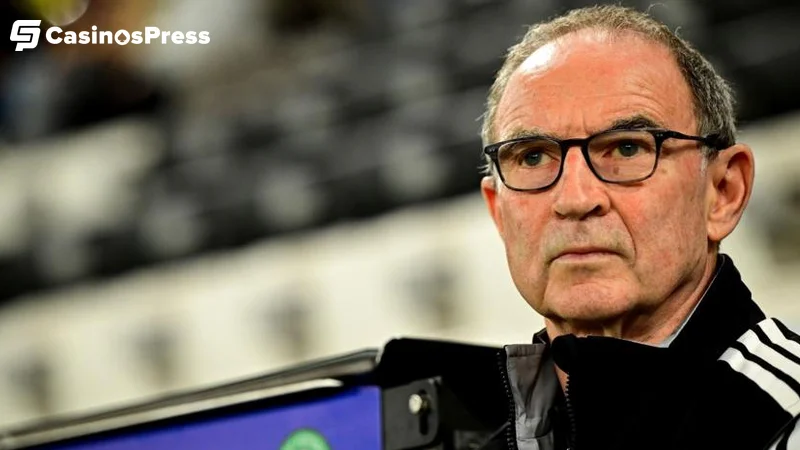
Martin O'Neill took responsibility after the game. That's the honourable thing to do, but we think he was also taking pressure off a group of players who let the club down badly. O'Neill started the season in fine form, winning all four competitive games and scoring 13 goals. The squad looked settled. Then it fell apart when it mattered most.
The core issue is simple. Celtic sold Arne Engels and Daizen Maeda before this tie. Engels in particular was a huge loss, not just for his physical presence in midfield, but for the way he drives forward, gets in behind and imposes himself on games. Without him, McGregor was isolated when LASK turned the screw.
Celtic brought in forwards and a winger this summer, but the midfield replacement for Engels never arrived. Spending big on Kasper Hogh and Camilo Duran while leaving a gaping hole in the engine room was a gamble that backfired spectacularly. The board's decision to sell key players before such a critical qualifier will be the question fans keep coming back to.
The substitutes made no impact. When the players who came on can't match the level of those who went off, you've got a squad with a very thin top layer. That's a recruitment problem more than a manager problem, though O'Neill must also answer for his tactical decisions in the second half when the tie was slipping away.
What This Defeat Actually Costs Celtic
The financial consequences of missing out on the Champions League are enormous. We're talking north of £20 million in lost prize money alone. Celtic earned around £45 million last season by reaching the knockout play-off round. The Europa League brings in a fraction of that.
Beyond prize money, there are matchday revenues to consider. Champion League nights at Parkhead command significantly higher ticket prices, especially in corporate and hospitality, where clubs can essentially set their own terms when Real Madrid or Atletico come to town. That market simply doesn't exist in the Europa League.
Add in sponsor bonuses tied to Champions League participation, a share price that dropped around four to five percent immediately after the defeat, and a transfer budget that O'Neill himself admitted now needs reassessing, and you're looking at a substantial setback for a club that operates on the edge of what's financially viable at European level.
The broader picture for Scottish football is also bleak. Scotland have slipped to 19th in UEFA's coefficient rankings after once sitting as high as ninth. Celtic's failure deepens that slide. Rangers, Hibs and Motherwell all need to come through their own ties on Thursday just to stop the damage getting worse.
Our Call on Where Celtic Go From Here
Celtic will now drop into the Europa League, which at least keeps European football at Parkhead. If they run deep in that competition, there's still money to be made and points to be earned for Scotland's coefficient. But the narrative around this club doesn't change with a decent Europa League run. Six failed attempts to reach the Champions League is a structural problem, not a one-off.
Fan reaction is already turning on multiple targets: the board for their transfer decisions, individual players like McCowan and Ralston, and questions are already being asked about O'Neill's long-term position. We wouldn't write O'Neill off yet. He had Celtic flying before this defeat and the squad issues predate his tenure. But if results wobble domestically in the coming weeks, the pressure will build fast.
Celtic need to be honest about what kind of club they are right now. The resources to consistently compete in qualifying for Europe's top competition aren't quite there yet, and until the board backs the manager with genuine depth rather than headline signings, nights like Linz will keep happening.
Editorial Note: Marcus Osei
Senior football writer and tactical analyst with 12+ years covering the Premier League, Champions League, and world football. Born in Accra, raised between London and Kuala Lumpur.