
New Zealand’s Infantino Snub Could Shake Up the World Cup’s Future


Real Madrid loanee scores first career hat-trick in stunning Lyon debut
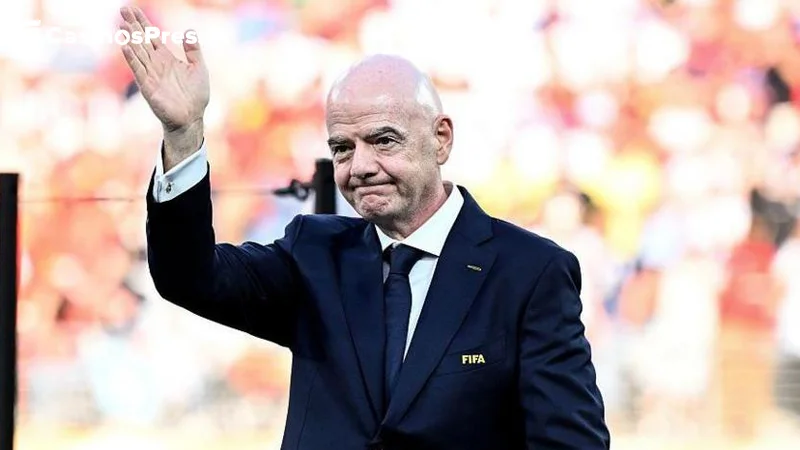
Football's political stage is heating up well before a ball is kicked at the 2026 World Cup. New Zealand have become the latest nation to pull support from Fifa president Gianni Infantino, and in doing so they've broken away from their own regional confederation, the OFC. That's a significant move for a relatively small footballing nation, and it tells us a lot about how serious this crisis is becoming.
The Lone Voice From Oceania
New Zealand are the only OFC member heading to the 2026 World Cup. That gives them a platform their neighbours simply don't have. When the OFC as a body stopped short of formally withdrawing support from Infantino, New Zealand went ahead and did it anyway. That's not a small thing. Breaking from your own confederation on a matter this public takes confidence, and it signals that NZF genuinely believes something is broken at the top of world football.
The specific issue centres on Infantino's shelved plan to hand 20% of the World Cup's commercial rights to private investors. Three of football's biggest confederations, Uefa, the AFC and Concacaf, have already rejected Infantino over this. New Zealand are now aligned with that group. The Confederation of African Football and Conmebol still back him, which means we're heading into the March Fifa Congress with world football genuinely split down the middle.
What the Commercial Rights Row Actually Means
Let's be clear about what was at stake here. The World Cup is the most valuable sporting event on the planet. Selling a fifth of its commercial rights to private investors would have handed enormous financial influence to parties with no obligation to develop the game. That's the concern shared across Europe, Asia and now Oceania's most prominent qualifier.
For bettors and fans thinking about the 2026 World Cup, governance matters more than it might seem. The commercial structure around the tournament affects broadcasting deals, ticket pricing, the distribution of prize money and ultimately which nations can invest properly in their squads. A World Cup run with stronger oversight and clearer financial accountability is one where the playing field for smaller nations is marginally more level. New Zealand's call for an independent review isn't just political posturing, it's a push for the kind of transparency that keeps the sport credible.
The March Congress and What It Changes
Infantino is still expected to contest the Fifa presidential election at the Congress in March. With CAF and Conmebol backing him, he still commands significant support across Africa and South America. But the momentum is shifting. England, Wales, Norway, the Republic of Ireland and Northern Ireland have all withdrawn support. Now New Zealand add their name to that list.
The question isn't really whether Infantino wins in March. The question is what mandate he carries with him if he does. A president re-elected over the objections of Uefa, the AFC, Concacaf and a growing list of individual nations is a weakened president. That matters for every decision made between now and the 2026 World Cup and beyond.
New Zealand's call for a genuinely independent review is interesting too. It rules out what their chief executive called an 'in-house quick washover', and it mirrors demands coming from other confederations. If that review happens, it could reshape how Fifa operates through one of the most commercially important periods in football history.
Our Read on Where This Goes
We think the Infantino era is entering its most turbulent stretch. The 2026 World Cup, which spans the United States, Canada and Mexico, is shaping up to be a record-breaking tournament commercially. The fight over who controls that money, and how transparently it's managed, is what this political battle is really about.
New Zealand standing apart from OFC and aligning with the reform bloc is a sign that even the smaller nations with the most to gain from Fifa's development funds are willing to prioritise governance over short-term cash. That's a meaningful signal. If more OFC members follow New Zealand's lead before March, Infantino's position becomes significantly more complicated.
Football is better when the governing body is trusted. Right now, that trust is fractured, and the road to the 2026 World Cup is going to look a lot more political than anyone originally planned.
Editorial Note: Marcus Osei
Senior football writer and tactical analyst with 12+ years covering the Premier League, Champions League, and world football. Born in Accra, raised between London and Kuala Lumpur.