
Roberto Mancini Is Back But Italy’s Real Problems Run Much Deeper


Real Madrid loanee scores first career hat-trick in stunning Lyon debut
Italy have a manager again. What they don't have is a plan.
Roberto Mancini's return to the Azzurri job ends one of the messiest managerial searches in recent football history, but appointing the man who previously walked out on the role for a lucrative Saudi Arabia deal is hardly the bold statement of intent the new FIGC leadership promised. The chaos that surrounded this appointment tells us far more about Italian football right now than the appointment itself.
Sixteen Days That Unravelled Everything
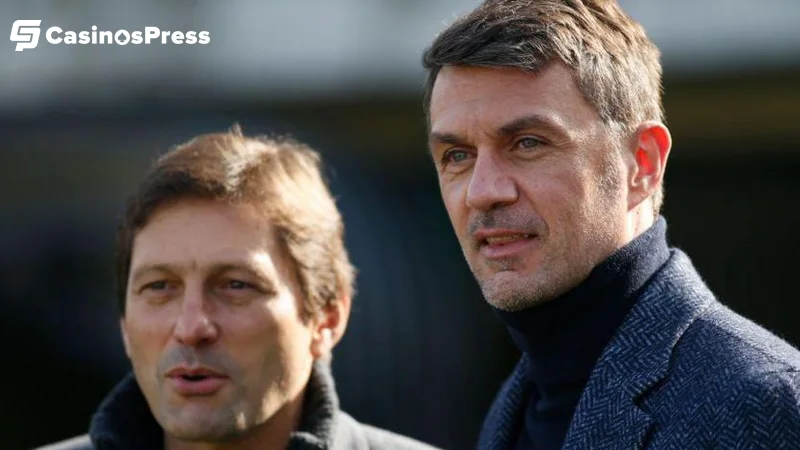
The hiring of Paolo Maldini as technical director was supposed to be the first step in a genuine rebuilding project. A footballing icon, modern in his thinking, brought in to help steer Italy back towards relevance. He lasted sixteen days.
Maldini and his partner Leonardo went after Pep Guardiola first. Big salary, freedom to reshape the setup however he wanted. Guardiola said no. They moved to Carlo Ancelotti. He wasn't interested. They pushed for Andrea Pirlo, a former Milan team-mate, which is where it all fell apart. The FIGC hierarchy blocked Pirlo over his promotion of a Russian betting company, including sponsored visits to Moscow after the 2022 invasion of Ukraine. That was the breaking point, and Maldini and Leonardo walked.
The whole process collapsed in a fortnight. What was sold as a new era lasted about as long as a pre-season.
The Mancini Contradiction
Bringing Mancini back is a strange move and we won't pretend otherwise. Yes, he won Euro 2020 with Italy, which remains the high point of a otherwise grim two decades for the national team. But he also presided over the failure to qualify for the 2022 World Cup, and then left the job abruptly to take Saudi Arabia's money. That's not a man who bled for the badge on the way out.
Now he's back, paired with 74-year-old Claudio Ranieri as technical director. The same leadership that promised a brave new era has essentially looked over its shoulder and hired familiar faces. It's the kind of decision that is very hard to dress up as progress.
If Mancini delivers a strong Euros campaign and qualifies comfortably for the 2030 World Cup, people will forget how this looked. If Italy stumble again, and given the structural problems beneath the surface that is entirely possible, this appointment will look exactly as reactive as it feels right now.
The Systemic Crisis Nobody Wants to Fix
Here's the part that matters most and gets discussed least. Italy's problems aren't about who is in the dugout. They run much deeper than that.
Serie A currently has a higher average age than every other major European league. Only around 32% of players in the division are eligible to play for Italy. Perhaps most damning of all, Serie A ranks 49th out of 50 global leagues for minutes played by under-21 players. Forty-ninth. That is not a rounding error, that is a structural failure.
The FIGC's own internal report flagged all of this. Low investment in youth development at club and national level. Poor technical metrics across the league in areas like pressing, dribbling and passing speed. Italian clubs are not developing Italian players, and that pipeline has been broken for years. The World Cup wins feel like a different era because, frankly, they were.
One of the report's recommendations was for politicians to introduce a levy on gambling revenue, with a percentage of bets placed on Italian football redirected into a fund for youth development. It's a sensible idea, and the kind of structural fix that would actually address the root cause. Whether the appetite exists to push it through is another question entirely.
Our Read on Where This Goes
Italy are a betting outsider for the next European Championship and rightly so. We'd be cautious about backing them to win a major tournament under Mancini's second spell until we see a settled squad and a genuine tactical identity emerging in qualifying. The Nations League campaigns will tell us a lot, and early group stage prices might offer value on the under if you're looking for angles.
The bigger picture is this. Mancini can be a decent short-term appointment, but no manager solves a youth development crisis or changes the culture of a league from the touchline. Italy need systemic reform far more than they need a familiar name in the dugout.
Until the structures change, expect more of the same from the Azzurri, regardless of who is picking the team.
Editorial Note: Marcus Osei
Senior football writer and tactical analyst with 12+ years covering the Premier League, Champions League, and world football. Born in Accra, raised between London and Kuala Lumpur.