
Three Weeks, Too Many Injuries, and a Lot of Bored Fans: The Extended International Break Verdict


Real Madrid loanee scores first career hat-trick in stunning Lyon debut
The three-week international break is almost done, and the football world is ready to move on. Not just because fans are desperate to get back to their clubs, but because the injury list has grown long enough to raise some serious questions about whether this experiment has been worth it.
This is the first time the Premier League and Championship have paused for three weeks rather than the usual two, and the reaction has been about as warm as a wet Tuesday in November.
The Idea Made Sense on Paper
Fifa's logic wasn't completely unreasonable. Reducing the number of international breaks from five to four means fewer long-haul journeys for players flying between Europe and South America or Africa. If you're asking Raphinha to fly from Barcelona to Brazil and back multiple times a season, cutting one of those trips has real value.
The 2026 World Cup final is also scheduled for 19 July, the latest date for a summer final since 1966. That pushes the domestic season later, which means the international calendar needs to flex. This three-week window was partly a response to that, giving nations more time together and reducing the fixture congestion around breaks.
England boss Thomas Tuchel has acknowledged there are positives. A longer camp means more training sessions, more tactical repetition, and a better understanding between players. He pointed to the improvement England showed against Croatia as a direct result of more time together. That's a fair point, and it shouldn't get lost in the noise.
The Injury List Tells a Different Story
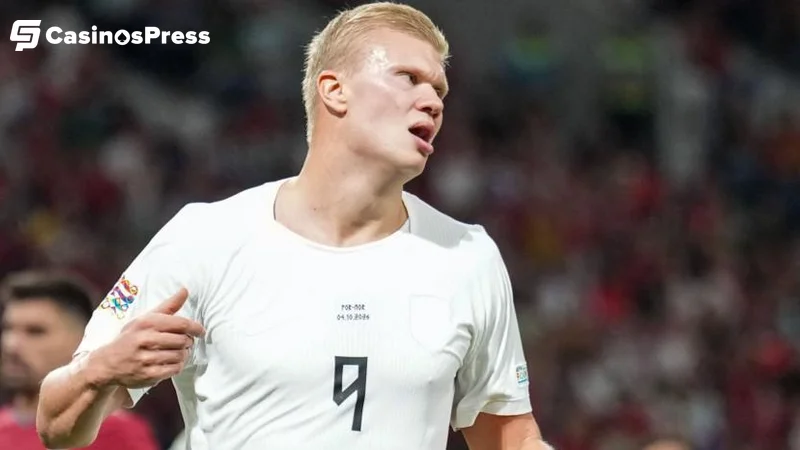
For all the good intentions, the injury list has been hard to ignore. Erling Haaland asked to come off after 67 minutes against Portugal and left the Norway camp the following day. Cody Gakpo picked up an ankle problem. Alexander Isak withdrew from Sweden duty with a thigh issue. Bruno Fernandes was playing through pain. Raphinha came back from Brazil with a thigh injury. Kylian Mbappe was also affected while on France duty.
That's not a one-off. That's a pattern.
To be fair to Tuchel, he's right that we need proper data before drawing firm conclusions. Is the injury rate genuinely higher, or does it just feel that way because the break is longer and there are more games? We won't know for certain until we compare the full-season numbers. But when the Norwegian players' union is publicly calling out the demands being placed on elite players, it's clear there's a wider conversation that needs to happen.
Bournemouth's frustration over how Alex Scott's thigh injury was handled by England is another sign that the relationship between clubs and national associations is under real strain. Clubs pay the wages. They carry the financial risk when players break down. Yet they have almost no power to protect their assets during international windows.
Football Fans Were Never Going to Love This
Three weeks is a long time to go without your club in action, especially when the domestic season has barely hit its stride. The reaction from supporters has been pretty consistent across the board. Boredom. Frustration. A sense that the people making these decisions are completely disconnected from what fans actually want.
There is a small silver lining. Lower-league clubs and Women's Super League sides benefit from the gap in the schedule. More fans drift down to League One or League Two, or pick up a WSL ticket for the weekend. The numbers back this up. Most lower-league clubs that played over the weekend saw attendances above their season average, and the WSL saw a similar trend. That's a genuine benefit for the wider football ecosystem, even if Premier League fans couldn't care less.
Our Take on Whether This Was Worth It
In our view, the experiment has not gone well enough to declare a success. The intentions were right, but the execution has exposed the same old problem: player welfare decisions are made by governing bodies who don't carry the consequences when things go wrong. Clubs, players and fans pay the price.
The injury pile-up might look different in the cold light of a full-season comparison, but the optics have been terrible. When Haaland is limping off for Norway and unions are raising formal concerns, you don't need a spreadsheet to know something isn't working.
Reduicing travel demands is a worthy goal. Giving national teams more time together has genuine value. But dropping a three-week break on clubs right at the start of the season, immediately after a long World Cup summer, was poor timing. If Fifa is serious about football player welfare, it needs to do more than change the calendar. It needs to listen to the clubs, the managers and the players who actually live with the consequences.
Editorial Note: Marcus Osei
Senior football writer and tactical analyst with 12+ years covering the Premier League, Champions League, and world football. Born in Accra, raised between London and Kuala Lumpur.