
Billy Vigar’s Death Exposes a Systemic Failure Football Has Been Ignoring for Years


Real Madrid loanee scores first career hat-trick in stunning Lyon debut
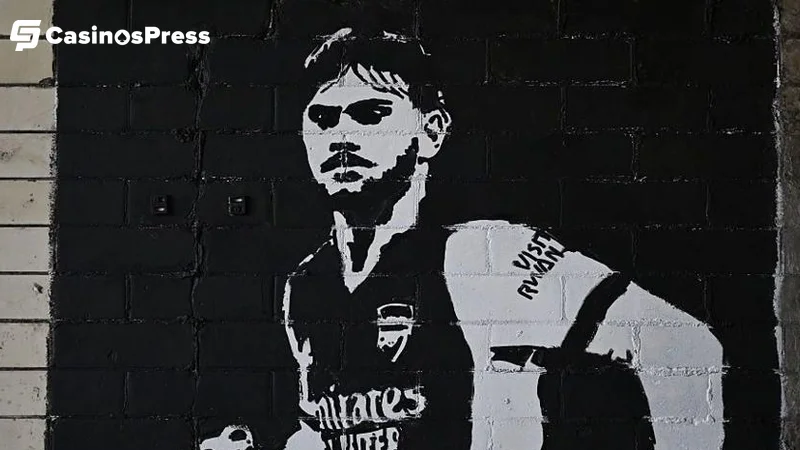
Football has a safety problem it has been sitting on for a decade. The death of Billy Vigar, a 21-year-old former Arsenal academy player who died after colliding with a concrete wall at Wingate and Finchley FC, is not an isolated tragedy. It is the latest and most devastating consequence of a system that was warned, reviewed, and then did nothing.
A year on from Billy's passing, his parents are speaking publicly for the first time. Their message is clear. This did not have to happen.
A Warning That Was Ignored
The football authorities did not stumble into this blindly. Ben Hiscox died in 2015 after colliding with a clubhouse wall near Bristol. A coroner issued a formal warning about the risk of future deaths. Padding was added. The run-off at that specific ground was increased. And then the wider game carried on as normal.
In 2022, Alex Fletcher fractured his skull on concrete barriers at Bath City's ground. He was forced to retire two years later. The FA conducted a review of clubs after that incident. According to Billy's mother Camilla, the information gathered from that review just sat there. Wingate and Finchley, the ground where Billy would later lose his life, was reportedly flagged as one of the high-risk clubs in that very review.
When the BBC asked the FA directly what was done with that information, they received no comment. That silence says everything.
What Football Finally Changed, and Why It Took So Long
After Billy's death, the FA launched a safety review of more than 900 clubs. The updated stadium criteria now bans solid brick, breeze block and concrete barriers around pitches. Where walls are structural, they must be covered with suitable padding. Around 169 clubs in the men's National League System and the women's National League have been told they need to make changes.
Funding is being provided by the FA and the Premier League, which at least removes the financial excuse some smaller clubs might otherwise have leaned on. Bromsgrove Sporting called the changes completely understandable and long overdue. Bath City welcomed the ruling. These are clubs responding with basic common sense.
But here is the part that should make every football fan uncomfortable. These changes only apply to certain levels of the game. Below and above the National League System, the new regulations do not automatically apply. Fletcher, who spent years campaigning on this issue before Billy's death, has been explicit. There could still be organised football being played in this country with dangerous pitch perimeters. The FA has not closed that gap.
The Player Who Should Still Be Playing
Billy Vigar's story makes this more than a regulatory debate. He joined the Arsenal academy after being scouted while playing for a local club in Sussex. He came into the system late compared to most, but his talent was obvious. His Chichester City manager believed he had six months left at that level before moving up into the National League or the Football League.
He was 21 years old. He was recovering from an injury and rebuilding his career. He had his whole future ahead of him in football.
His father Keith put it simply. You don't go to work expecting to get injured, let alone die. In football, that expectation of basic safety should not be a luxury. It should be the minimum standard at every level of the game, from Premier League academies to Sunday league pitches.
Accountability Has to Come Next
The regulation changes are a start. They are also an admission that this was preventable. The FA cannot update the rules in response to a death and then avoid the question of why those rules were not in place before the death, especially when the warnings were already on record.
Fletcher has called it a complete dereliction of duty. We'd struggle to argue against that. The Vigars are awaiting an inquest, likely next year, where those questions will need proper answers.
What football owes this family is not just padding on concrete walls. It owes them transparency, accountability and a genuine commitment to extending these protections across every level of the game before another family is forced to make the same climb up Snowdon, carrying the same grief.
Billy Vigar deserved better. Football needs to make sure the next generation of players gets it.
Editorial Note: Marcus Osei
Senior football writer and tactical analyst with 12+ years covering the Premier League, Champions League, and world football. Born in Accra, raised between London and Kuala Lumpur.